 10.9 °C


This August 20, as part of the national holiday celebrations the Hungarian Railway Museum invites visitors to step back in time as the legendary Golden Train will be free to see.
On August 20, visitors to the Hungarian Railway Museum will be treated to a spectacular sight — the legendary Aranyvonat, or Golden Train, brought back to life in a faithful reconstruction. This unique ceremonial carriage, displayed for free for one day only, will be the highlight of the museum’s national holiday celebrations, offering a glimpse into a fascinating chapter of Hungary’s railway and cultural history. Entry is free, and the event runs from 10:00 to 18:00, making it the perfect outing for history lovers, families, and anyone curious about Hungary’s rich traditions.
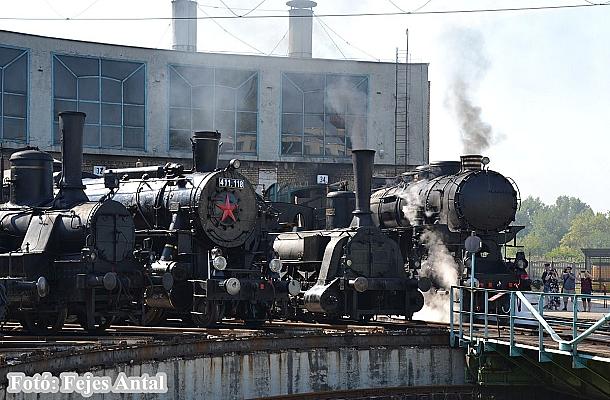
The Hungarian Railway Museum, (Magyar Vasúttörténeti Park), is a treasure trove for anyone captivated by the romance and engineering of the railway age. Situated in the former Northern Railway Depot in Budapest, the museum spans an open-air park filled with historic locomotives, carriages, and railway artifacts. Interactive exhibits invite visitors to climb aboard vintage trains, operate turntables, or even try their hand at a handcar, making it an engaging experience for all ages. Special events, like the Golden Train display, add a layer of cultural storytelling to the museum’s already remarkable collection.
address: Tatai út 95., Budapest, Hungary

Photo credit: Magyar Vasúttörténeti Park / Hungarian Railway Museum
The Golden Train’s story is as extraordinary as its gleaming appearance. Originally built in 1938 at the MÁV Dunakeszi Main Workshop for the national tour honoring the 900th anniversary of King Saint Stephen's passing, the carriage transported the revered Holy Right relic across the country in regal splendor. Its ornate design, based on a transformed standard conductor’s coach, reflected the finest Byzantine-style craftsmanship of its era. During the turbulent days of 1944, as Allied bombings threatened Hungary, its ornate decorations were stripped away and the coach was returned to regular service. Decades later, the skilled craftsmen of Dunakeszi Járműjavító Kft., the workshop’s successor, painstakingly recreated the carriage to match its former glory. Its presence at the museum this August 20 is more than an exhibition — it is the revival of a piece of national heritage.