 7.1 °C



From a fortress built to intimidate Budapest to a landmark attracting visitors for its panoramic views, the Citadella has come a long way. Its extensive restoration has now earned international recognition.
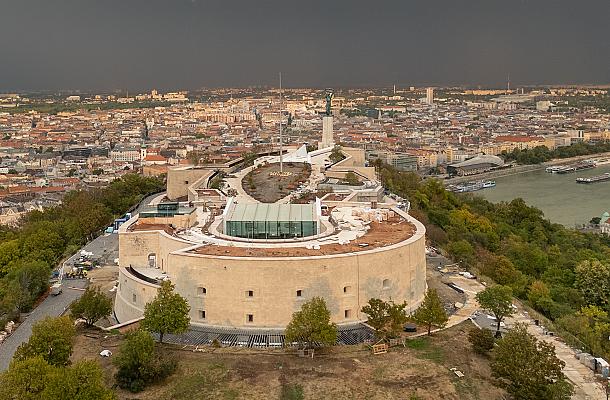
Budapest’s Citadella has received international recognition for its extensive restoration, which renewed almost 14,000 square metres of historic stone surfaces. Perched on Gellért Hill above the Danube, the fortress is one of the city’s most recognisable landmarks, with a history that reflects Hungary’s struggles for independence and the changing role of the hilltop over nearly two centuries.
Nearly 14,000 square metres of historic stonework restored
The latest restoration addressed more than the visible deterioration of the fortress. Moisture and salts had been damaging the historic masonry for decades, contributing to the gradual deterioration of the stone. The original drainage system had largely ceased to function, allowing water to penetrate the walls and transport salts into the masonry.
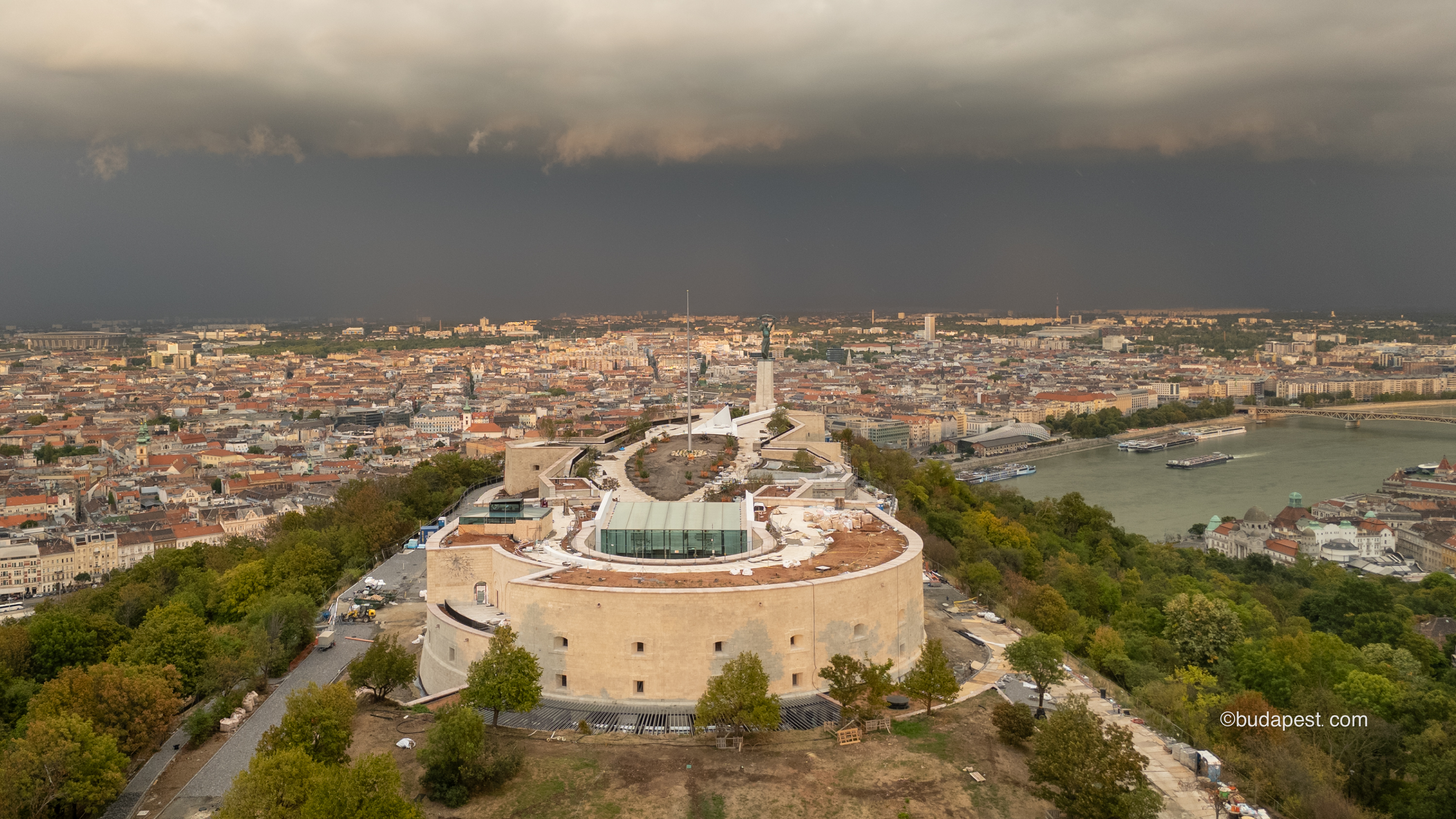
The restoration team therefore had to tackle the underlying causes of the damage. New rainwater drainage and drainage systems were installed to help divert water away from the walls, while the external stone surfaces received protective treatments. More than 600 tonnes of Mapei’s Mape-Antique Allettamento mortar were used during the work, according to the company’s account of the project.
The restoration of almost 14,000 square metres of historic stonework was recognised with the Best Project award in the reference category of the Mapei Grand Prix 2026, an international competition involving Mapei group companies. The award highlights the technical challenges involved in preserving a historic structure while addressing the environmental conditions that threaten its long-term survival.
A more open Citadella for visitors
The wider renovation has also changed how visitors can experience the fortress. Following the completion of the reconstruction, the Citadella reopened to the public on 28 March 2026. New openings through the historic defensive walls made the complex accessible from three directions, creating routes between previously separated areas.
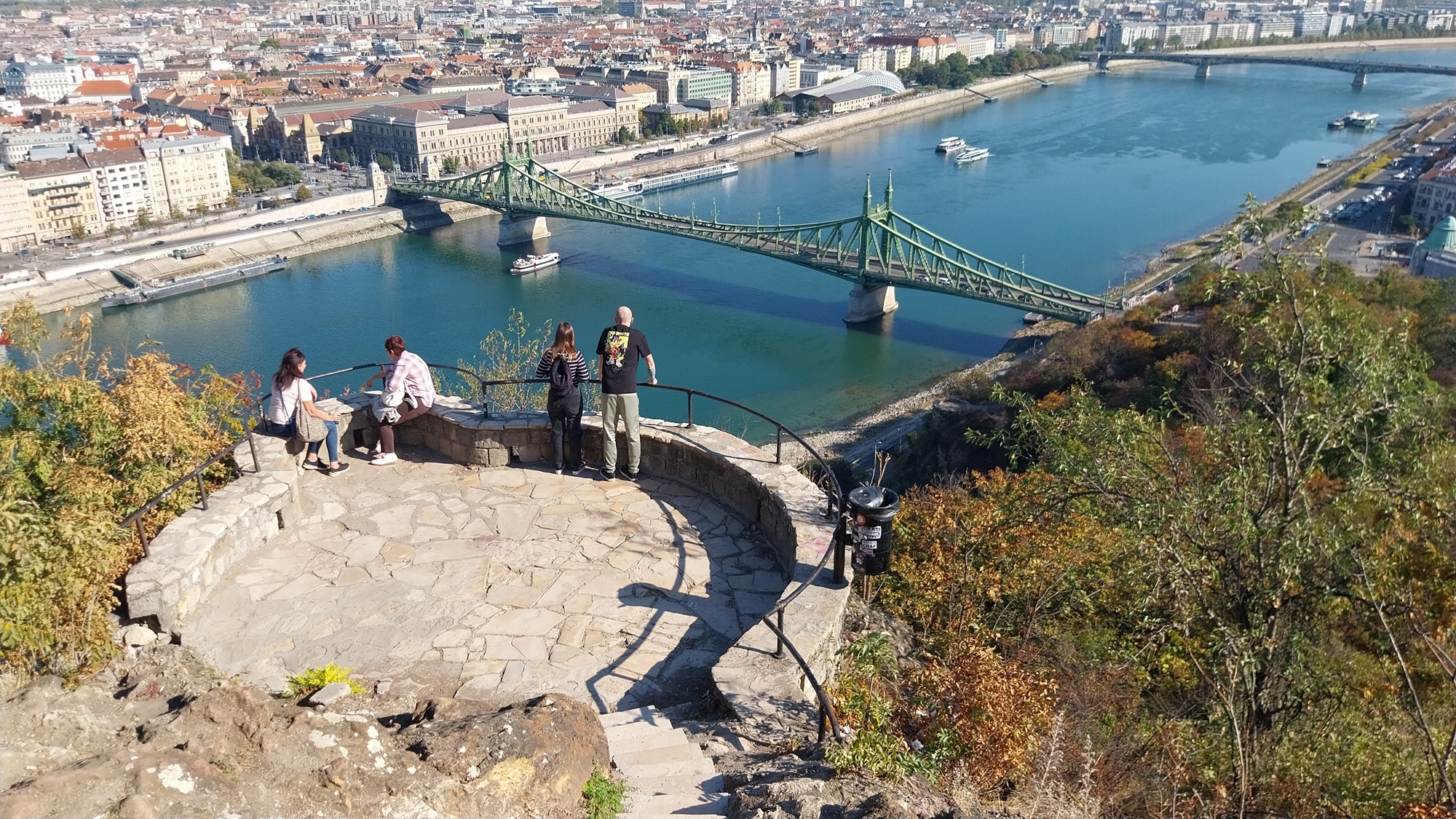 The view from halfway up Gellért Hill towards the Crand Market Hall
Inside the fortress, visitors can explore a free public park covering approximately 6,000 square metres, while the surrounding green spaces have expanded to around 20,000 square metres. Walkways and viewing terraces offer opportunities to admire Budapest’s skyline, the Danube and its bridges from above.
The western artillery tower also houses The Bastion of Liberty, a historical exhibition covering more than 1,700 square metres. It explores Hungary’s struggles for independence across different historical periods, from the foundation of the Hungarian state through the Ottoman and Habsburg eras to the world wars, Soviet rule and the transition to democracy. The exhibition offers visitors a deeper historical context for understanding why this strategic hilltop has carried such powerful symbolism.
For tourists, the renewed Citadella brings together several aspects of Budapest in one place: a 19th-century fortress, a complex national history, landscaped public spaces and expansive views over the city. Its award-winning restoration has helped preserve the historic stonework, while the renewed layout gives visitors more ways to explore one of the Hungarian capital’s most distinctive landmarks.
A fortress built to control Budapest
The Citadella was built between 1850 and 1854, following the defeat of the Hungarian Revolution and War of Independence of 1848–49. The Habsburg authorities commissioned the fortress as part of their efforts to maintain control over Pest-Buda, using its commanding position to monitor the city and discourage further uprisings. Its massive walls, approximately 12–16 metres high and up to four metres thick, made it an imposing presence above the developing capital.
For Hungarians at that time, the fortress became a powerful symbol of imperial oppression. After the Austrian garrison withdrew in 1899, attempts were made to demolish parts of the structure, but the work was abandoned. The Citadella subsequently served various purposes, including housing and military use, before becoming a familiar destination for visitors drawn to the panoramic views from Gellért Hill.
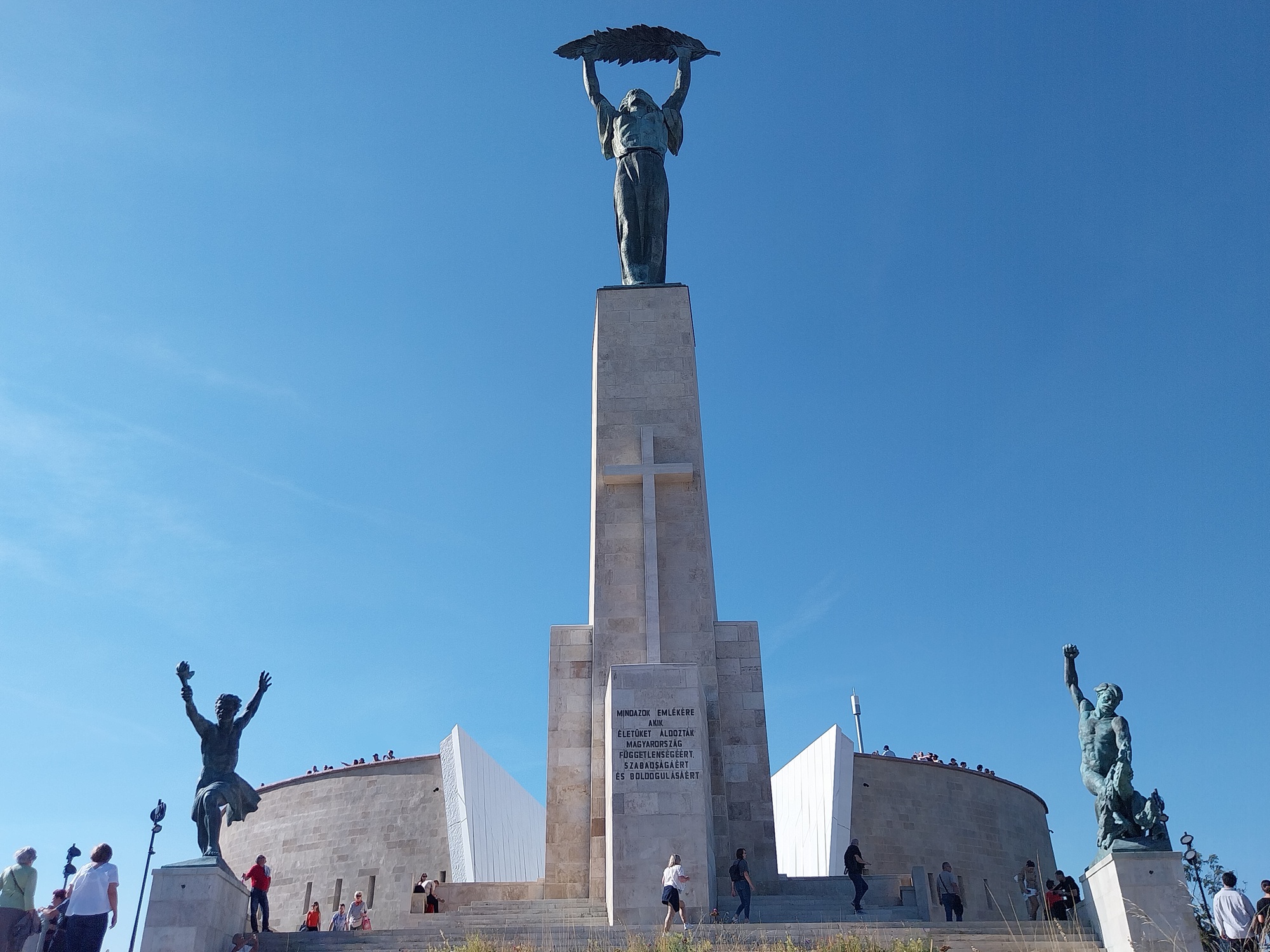
The hilltop’s significance continued into the 20th century. The Liberty Statue was erected nearby in 1947, and Gellért Hill and its surrounding Danube panorama became part of Budapest’s UNESCO World Heritage listing in 1987.