 7.1 °C


The Budapest–Belgrade railway is expected to open to international passengers in December 2026, connecting the two capitals directly. Trains are designed to reach 160 km/h in Hungary and 200 km/h in Serbia.
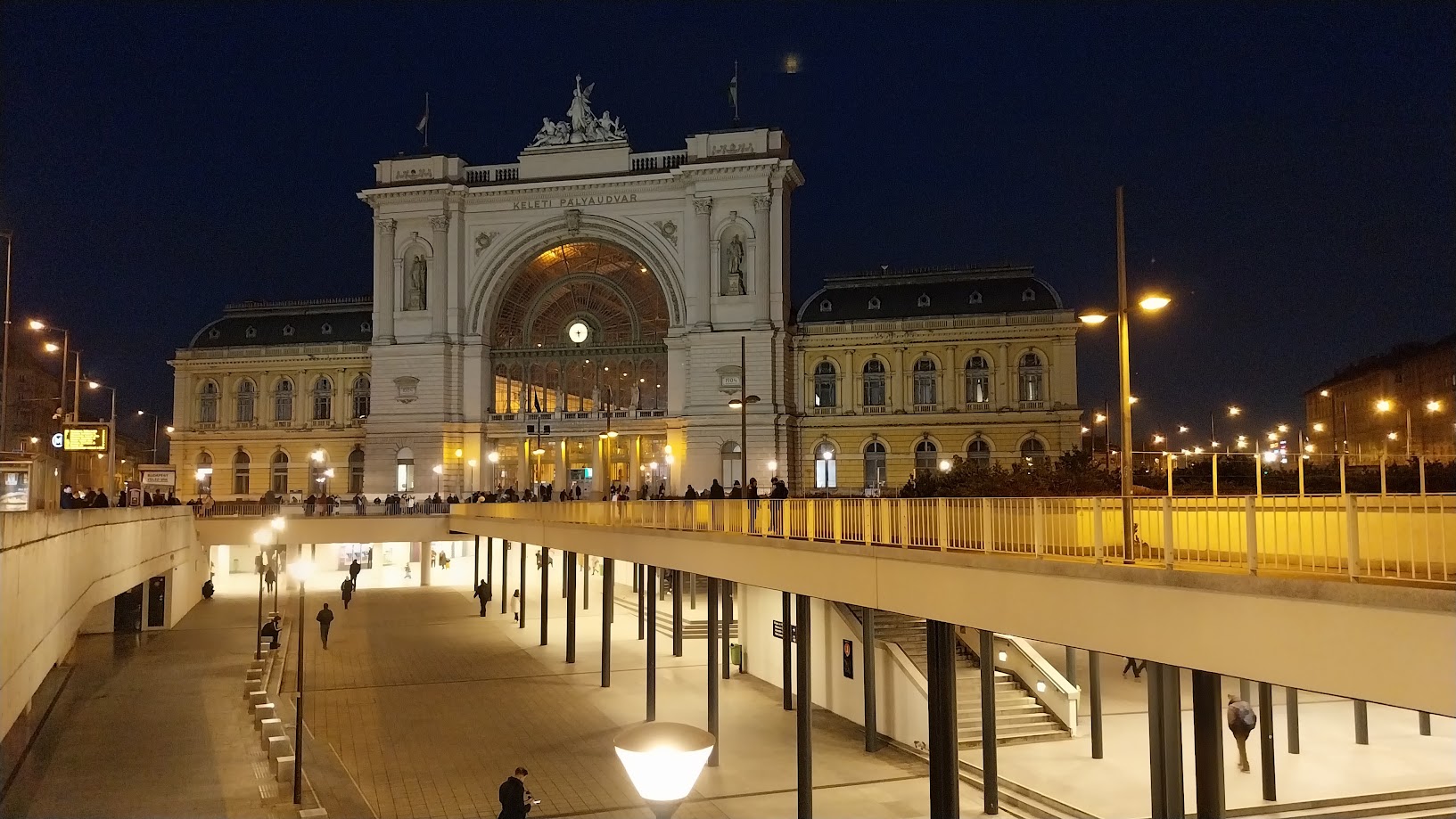
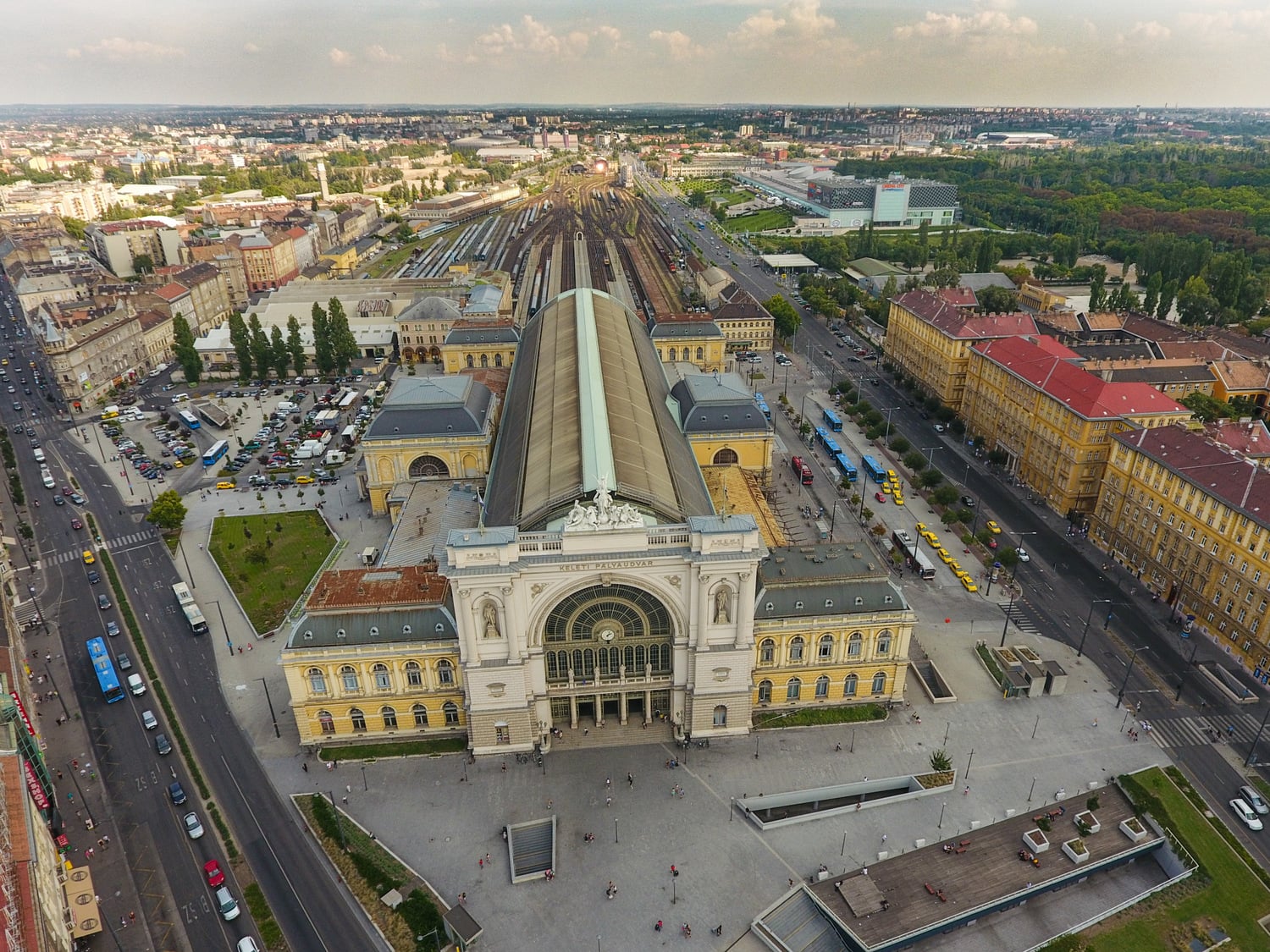
For visitors to Budapest, the biggest change is simple: Belgrade will become a much more straightforward destination to reach by train. The international service is expected to run from Budapest's Keleti railway station, which is being prepared to receive the new low-floor trains planned for the route.
From Budapest to Belgrade by train
The upgraded railway runs south from Budapest through Hungary's Great Plain to Kelebia on the Serbian border, continuing through Subotica and Novi Sad to Belgrade. The entire Budapest–Belgrade route is approximately 350 kilometres long.
The Hungarian section has been rebuilt as a double-track railway, with the line designed to support passenger trains travelling at up to 160 km/h. In Serbia, the modernised Belgrade–Novi Sad–Subotica–Kelebija route has been designed for mixed passenger and freight traffic at speeds of up to 200 km/h.
Earlier project estimates put the Budapest–Belgrade journey at around three and a half hours, compared with roughly eight hours before the reconstruction. A Serbian announcement in February 2026 gave a projected journey time of approximately 3 hours 15 minutes, but the final international timetable has not yet been published, so travellers should not treat either figure as the definitive journey time.
The latest Hungarian announcement on 8 October says that, if the remaining work proceeds as planned, international passenger services could begin in December. The Hungarian section has already completed its full-load test and the examination of its ETCS train-control system; final track adjustment and the necessary documentation still have to be completed before passenger operations can begin.
The railway will also make Budapest easier to reach from Serbia
The connection works in both directions. The same direct railway will give Serbian visitors an easier way to reach Budapest, while Budapest becomes part of a wider Central European itinerary for travellers arriving from Serbia.
For Budapest tourism, this is particularly relevant because the railway arrives at Keleti railway station, one of the city's principal railway terminals. The station is directly connected to Budapest's public transport network, making it possible for arriving visitors to continue into the city without first having to make an intercity transfer elsewhere. The MÁV has specifically prepared the station's infrastructure for the Budapest–Belgrade service.

What tourists should know before booking
The timetable and final international ticket prices have also not yet been officially published. Earlier in 2026, Serbian officials mentioned a possible fare of around €32 between Budapest and Belgrade, while the Hungarian side had proposed a lower price of approximately €25, but those figures were explicitly described as proposals rather than final fares.
Until the new service starts, Budapest–Belgrade rail travel remains considerably less convenient. MÁV's current Serbia information states that Budapest–Belgrade currently requires changes at Szeged and Subotica, while the direct international service is still awaiting the reopening of the Budapest–Belgrade route.
The Serbian section of the modernised railway is already operational: the complete 183-kilometre section between Belgrade and Subotica opened for commercial traffic in October 2025. The Hungarian section subsequently opened for freight traffic in February 2026, but passenger services have been held back while the required safety and signalling procedures are completed.
If the December launch goes ahead as currently planned, the Budapest–Belgrade railway will turn a previously complicated international rail journey into a direct city-to-city connection. For tourists, that means Budapest and three major Serbian destinations — Subotica, Novi Sad and Belgrade — can potentially be combined in a single rail itinerary, without relying on flights or changing trains at the Hungarian-Serbian border.